Padel vs Tennis: Understanding the Differences and Choosing Your Game
•Posted on March 10 2026


Padel and tennis are both racket sports with unique characteristics and growing fan bases. Padel, originating in Mexico in the 1960s, is played in an enclosed court with walls, making it a dynamic and fast-paced game. The sport combines elements of tennis and squash, offering an exciting twist that has drawn many players worldwide. In contrast, tennis has a longer history, dating back to the 12th century in France, evolving into the widely recognized sport we know today, played on open courts without walls.
As we explore padel vs tennis, it's essential to note their differing styles. Padel is typically played in doubles, promoting teamwork and strategy, while tennis can be played in singles or doubles formats. Additionally, the equipment varies: a padel ball vs tennis ball differs in pressure and size, affecting gameplay.
The rise in popularity of platform tennis vs padel also highlights how these sports are competing for players and fans alike. In recent years, paddle tennis vs padel has become a topic of interest, as enthusiasts debate the merits of each sport. With its social atmosphere and accessibility, padel is rapidly expanding, especially in Europe and Latin America, positioning itself as a strong competitor to traditional tennis.
Comparing Rules and Gameplay
In the debate of padel vs tennis, understanding the rules and gameplay is essential. Both sports share similarities but have distinct differences that set them apart.
In tennis, players compete on a larger court with a net separating them. The game is played with a tennis ball, and players must serve from behind the baseline. Scoring follows a traditional system: 15, 30, 40, and game, leading to sets and matches.
Conversely, padel is played on a smaller, enclosed court, allowing for unique rebounds off the walls. The game utilizes a padel ball, which is slightly softer than a tennis ball, and players serve underhand. Scoring in padel mirrors tennis, but matches are often played in a best-of-three sets format, making games quicker.
Another interesting comparison arises with platform tennis vs padel. While both are played in a similar environment with walls, platform tennis is typically played outdoors in colder climates, using a solid paddle rather than a stringed racket. Furthermore, the distinction between paddle tennis vs padel lies in court size and rules, with paddle tennis allowing for different scoring systems.
Ultimately, while padel vs tennis may seem similar, the gameplay, scoring, and player dynamics create unique experiences in each sport. Whether you prefer the traditional feel of tennis or the fast-paced action of padel, each has its own charm.
Equipment Differences
When comparing padel vs tennis, the equipment used plays a crucial role in shaping the playing experience.
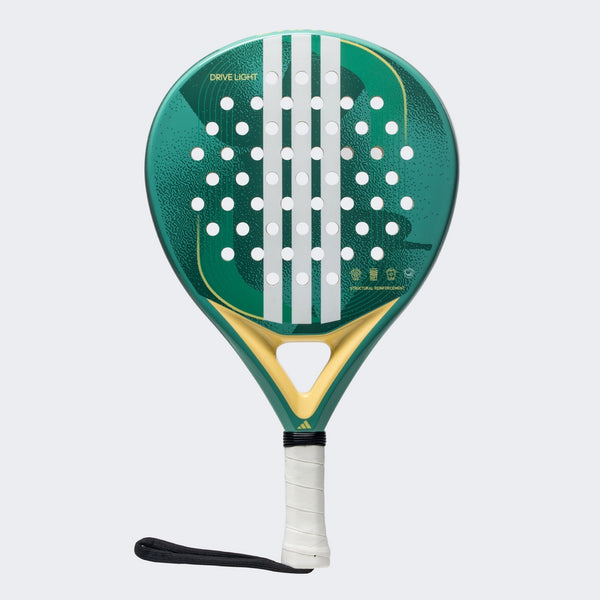
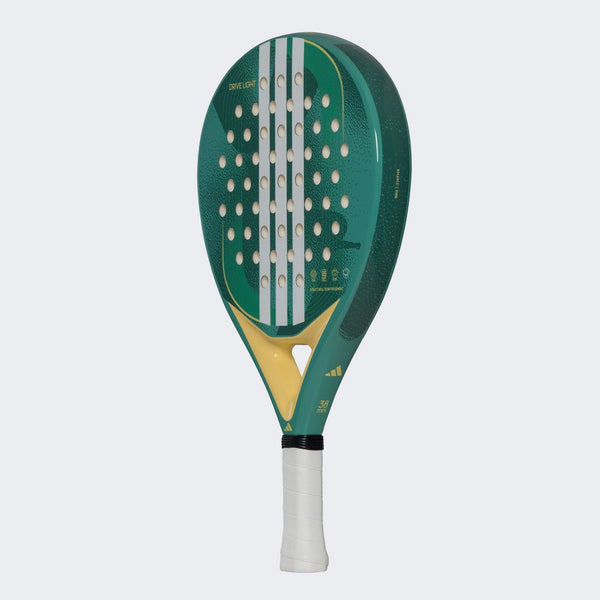
Rackets differ significantly between the two sports. Padel rackets are solid, perforated, and smaller than tennis rackets, which gives players more control and less power. This design encourages strategic play rather than relying solely on strength. In contrast, tennis rackets are larger and strung with tension, allowing for powerful serves and groundstrokes.
Another key difference lies in the balls. A padel ball vs tennis ball has a lower pressure, creating a softer bounce that suits the enclosed court environment. This means that shots tend to stay in play longer, promoting longer rallies. Conversely, the higher pressure of a tennis ball allows for faster exchanges on a larger court.
Footwear also varies. While both sports require specialized shoes, padel players often opt for shoes with a more significant grip suited for indoor or artificial surfaces, whereas tennis shoes are designed for the various surfaces of outdoor courts.
Understanding these differences in equipment is essential when discussing padel vs platform tennis or paddle tennis vs padel. Each sport's unique equipment influences not only gameplay but also player strategy and enjoyment.
Court Layout and Dimensions
When comparing padel vs tennis, the differences in court layout and dimensions are significant. A standard tennis court measures 78 feet long and 36 feet wide for doubles matches, while a padel court is smaller, measuring 65 feet long and 33 feet wide. This smaller size means that players are closer to the action, resulting in a faster-paced game that emphasizes quick reflexes and strategic play.
Another key difference is the use of walls in padel. The court is enclosed, with glass walls that players can use to bounce the ball off, adding a unique dynamic not found in traditional tennis. This aspect of padel vs paddle tennis also differentiates it from other racquet sports, as players must master the angles and rebounds off the walls.
Moreover, the balls used in each sport vary. The padel ball vs tennis ball is slightly less pressurized, which affects how they bounce. This change influences gameplay, as padel balls tend to have a softer feel, promoting longer rallies and more intricate shot-making.
Overall, these differences in court dimensions and design not only shape the playing experience but also contribute to the growing popularity of padel, especially when compared to padel vs platform tennis and other racquet sports.
Physical and Skill Requirements
When comparing padel vs tennis, the physical and skill requirements reveal notable differences. Both sports demand agility and coordination, but the intensity and execution vary.
In tennis, players cover larger court spaces, requiring greater endurance and strength. The explosive nature of serves and groundstrokes necessitates strong upper body strength and powerful legs to deliver forceful shots. Players must also maintain quick lateral movement to respond to their opponent's tactics.
Conversely, padel emphasizes precision and strategy over sheer strength. The smaller court size allows for faster reflexes and adaptability, making agility a crucial attribute. Players need to master the art of positioning, as the walls can be used strategically, adding an element of finesse to the game.
While paddle tennis shares similarities with padel, the playing surfaces and rules create different dynamics. In padel vs paddle tennis, the enclosed court and wall usage in padel enhance the need for skillful shot placement and anticipation.
Lastly, the equipment also plays a role in the skill sets required. A padel ball vs tennis ball has different bounces and feels, which can affect how players develop their techniques. Overall, whether debating padel vs platform tennis or exploring other variants, understanding these physical and skill requirements can help players choose the sport that best suits their strengths.
Suitability for Different Players
When comparing padel vs tennis, it’s essential to consider the suitability of each sport for different players. Padel is often seen as more accessible, making it ideal for beginners and those looking for a social, less physically demanding game. Its smaller court size and walls allow for longer rallies, which can be less taxing on the body, making it a great option for older players or those with lower fitness levels.
In contrast, traditional tennis requires more stamina and agility due to its larger courts and the need for quick lateral movements. This can be more suitable for younger, more physically fit players who enjoy a high-intensity game.
For those interested in variations, platform tennis vs padel offers a similar social vibe, but platform tennis is typically played outdoors in colder weather, making it less versatile seasonally. Meanwhile, the distinction between padel vs paddle tennis lies mainly in the court design and rules, with paddle tennis being played on a standard tennis court without walls.
Lastly, when considering equipment, the padel ball vs tennis ball also affects gameplay. Padel balls are slightly softer and less bouncy, catering to a more relaxed play style. Ultimately, whether you choose padel vs platform tennis or paddle tennis vs padel should depend on your age, physical condition, and personal preferences for game dynamics.
Popularity and Global Reach
Padel vs tennis has sparked a growing interest worldwide, with each sport carving out its own unique presence. Tennis has long been a staple in countries like the USA, Spain, and Australia, boasting millions of players and fans. Its global tournaments, such as Wimbledon and the US Open, draw massive viewership, solidifying its status as a premier sport.
In contrast, padel, which originated in Mexico and gained traction in Spain, is rapidly expanding its reach. Countries like Argentina, Sweden, and Italy have embraced padel, leading to a surge in both players and facilities. The sport's appeal lies in its accessibility and social atmosphere, making it popular among diverse age groups.
When discussing platform tennis vs padel, many players appreciate the similarities, yet padel’s enclosed courts and unique scoring make it distinct. Additionally, comparing paddle tennis vs padel reveals more shared characteristics than differences, often leading to confusion among newcomers.
As for equipment, the choice between a padel ball vs tennis ball can affect gameplay; padel balls are slightly less pressurized. With the growing communities around these sports, the debate of padel vs tennis continues to evolve, highlighting the excitement and camaraderie that both games foster globally.
Conclusion: Choosing Between Padel and Tennis
When it comes to padel vs tennis, both sports offer unique experiences and benefits. Padel is played in a smaller, enclosed court, making it more accessible for beginners and ideal for social play. In contrast, traditional tennis provides a more expansive court and a deeper strategic game that appeals to those who enjoy a classic sport.
As we explored, the differences in equipment also play a role in your decision. The padel ball vs tennis ball varies in bounce and feel, which can affect how you play and enjoy the game. Additionally, while paddle tennis vs padel shares similarities, the rules and court sizes can sway your preference. If you’re looking for a fun, fast-paced game that emphasizes teamwork, padel could be your best bet.
On the other hand, if you’re drawn to a more traditional athletic challenge, consider padel vs platform tennis or stick with tennis. Ultimately, think about your playing style, the atmosphere you enjoy, and how much time you want to invest in learning the sport. Both padel and tennis have their merits, so choose the one that resonates with you and fits your lifestyle.
Introduction to Padel and Tennis
Padel and tennis are both racquet sports that have captured the hearts of players worldwide, yet they offer distinct experiences and histories. Tennis originated in France in the late 12th century, evolving into the game we know today, with a rich tradition and extensive global following. Padel, on the other hand, was born in Mexico in the 1960s and has rapidly gained traction, particularly in Spain and Latin America.
While both sports involve hitting a ball over a net, the gameplay differs significantly. Padel is played in an enclosed court, allowing the ball to bounce off walls, which adds a unique dynamic. In contrast, traditional tennis courts are open, and the game relies heavily on powerful serves and precise shots.
The growing popularity of padel vs tennis is evident as more players appreciate the social aspect and accessibility of padel. Many find it easier to pick up and enjoy, which contributes to its rise. Additionally, comparisons like platform tennis vs padel highlight the nuances in court design and gameplay style. When discussing padel vs paddle tennis, it’s essential to note that while they share similarities, the equipment and rules differ, particularly with the type of ball used. Ultimately, whether you prefer padel vs platform tennis or paddle tennis vs padel, each sport offers its own unique thrill for players.
Padel and tennis are two popular racquet sports that have gained immense popularity worldwide, yet they have distinct origins and characteristics. Tennis, dating back to the late 12th century in France, has evolved into a global phenomenon with major tournaments like Wimbledon and the US Open. Its traditional court is larger, and players use a solid racquet to hit a felt-covered rubber ball.
In contrast, padel originated in Mexico in the 1960s and combines elements of tennis and squash. Played on a smaller, enclosed court, padel features solid rackets and a depressurized ball. The unique scoring system and the ability to use walls for play make it a dynamic and engaging sport.
As players look to compare padel vs tennis, they often consider the differences in gameplay, court size, and equipment. Some enthusiasts also explore platform tennis vs padel, noting that platform tennis is played outdoors in colder climates with a different set of rules. Moreover, discussions about padel vs paddle tennis arise, highlighting the similarities and differences in gameplay and equipment.
Both sports have seen a surge in popularity in recent years, with padel particularly gaining traction in Europe and South America, while tennis remains a staple in sports culture globally. With various styles and playing experiences, the debate of padel vs tennis continues to captivate players and fans alike.
Comparing Rules and Gameplay
Padel vs tennis showcases some fascinating differences in rules and gameplay. In tennis, the game is played on a larger court with a net dividing the two sides. Players can hit the ball over the net once, and points are scored when the opponent fails to return the ball within the court boundaries. The scoring system in tennis uses terms like love, 15, 30, and 40, with players needing to win at least six games to secure a set.
In contrast, padel is played on a smaller, enclosed court that allows players to use the walls to play the ball. This unique feature adds an exciting dynamic to the game, as players can bounce the ball off the walls before returning it. Scoring in padel mirrors that of tennis, but matches are typically played in a best-of-three sets format, making each point even more critical.
When comparing platform tennis vs padel, the key difference lies in the court size and surface. Platform tennis is played outdoors on a smaller court with a raised surface, while padel courts are enclosed and often played indoors or outdoors on a solid surface.
In the debate of padel vs paddle tennis, it's essential to note that paddle tennis has different rules regarding court dimensions and scoring. Additionally, while the padel ball is similar to a tennis ball, it has less pressure, making it softer and allowing for longer rallies. Ultimately, whether you prefer padel vs platform tennis or paddle tennis vs padel, each sport offers a unique experience for players and spectators alike.
Padel vs tennis features distinct rules and gameplay that set the two sports apart. In tennis, matches can be played in singles or doubles, with players serving from behind the baseline and aiming to hit the ball over a net into the opponent's court. Scoring follows a unique system of points, games, and sets, with each game starting at love (0) and going up to 40.
In contrast, padel, often seen as a blend of tennis and squash, is typically played in doubles on a smaller court surrounded by walls. Players serve underhand, and the ball can bounce off the walls, allowing for dynamic rallies. Scoring in padel mirrors that of tennis but is usually played to a set number of games, making each match fast-paced and engaging.
When comparing platform tennis vs padel, the key difference lies in the court surface and the use of walls. While platform tennis is played on a raised court with a specific surface, padel courts are enclosed, enhancing the interactive gameplay.
Additionally, the distinction between padel vs paddle tennis is crucial; paddle tennis is played with a solid paddle and on a smaller court but lacks the wall component that defines padel. Understanding these differences can help players choose which sport suits their style and preferences, whether they lean towards the traditional feel of tennis or the innovative nature of padel.
Equipment Differences
When comparing padel vs tennis, one of the most noticeable differences lies in the equipment used. Padel rackets are solid and perforated, typically made from lightweight materials, allowing for quick maneuverability at the net. In contrast, tennis rackets have strings that provide more power and spin options. This distinction significantly influences how players approach each game.
The balls used in padel vs tennis also differ. Padel balls are similar to tennis balls but have slightly less pressure, making them softer and easier to control. This can lead to longer rallies and a more strategic style of play. In platform tennis vs padel, the balls used in platform tennis are designed for colder conditions, which can affect bounce and playability.
Footwear is another key factor. Padel players often wear shoes with a herringbone pattern for better grip on the court's surface, while tennis shoes are designed for lateral movement and durability on hard courts. These differences in equipment not only affect the playing experience but also the tactics players employ during matches.
In discussions about padel vs paddle tennis, it's essential to note that paddle tennis rackets are similar to padel ones but typically have a smaller design. This variation impacts how players engage with the game, showcasing the unique characteristics of each sport. Overall, understanding these equipment differences enhances appreciation for the nuances between padel and its counterparts, such as padel vs platform tennis and paddle tennis vs padel.
When comparing padel vs tennis, one of the most noticeable differences lies in the equipment used. Padel rackets are solid and perforated, typically made from composite materials, while tennis rackets have strings that provide a different feel and power. This solid construction of padel rackets allows for more control and less vibration, making it easier for beginners to handle.
The balls used in each sport also differ. A padel ball vs tennis ball is slightly smaller and has less pressure, leading to a softer bounce on the court. This difference affects gameplay, as padel players often rely on walls to extend rallies, while tennis players focus on the court's dimensions and net height.
Footwear is another key aspect to consider. Padel shoes are designed with a herringbone pattern for better grip on the court’s surface, which is essential for quick lateral movements. In contrast, tennis shoes are built for stability and support on a larger court.
Understanding these equipment differences can enhance your playing experience, whether you choose to engage in padel vs platform tennis or paddle tennis vs padel. Each sport has its unique characteristics, impacting everything from gameplay strategy to overall enjoyment.
Court Layout and Dimensions
The court layout and dimensions are key factors that distinguish padel from tennis. A standard padel court measures 20m long and 10m wide, enclosed by glass walls, which allows players to use the walls during play. In contrast, a tennis court is significantly larger, measuring 23.77m long and 8.23m wide for singles matches, without any enclosing walls. This difference in size and structure changes how each game is played.
In padel, the smaller court encourages quicker rallies and strategic plays, as players must react swiftly to the ball bouncing off the walls. It fosters a more social atmosphere, often resulting in longer rallies and more engaging matches. Conversely, tennis allows for more powerful serves and longer shots, with players needing to cover greater distances on the larger court.
When comparing platform tennis vs padel, both sports share similarities, such as the use of smaller courts and an emphasis on volleying, but padel has the added complexity of walls. Similarly, while paddle tennis and padel also share court dimensions, padel's unique features set it apart. The differences in ball types further influence gameplay; the padel ball is slightly softer than a tennis ball, leading to different dynamics in play. Understanding these distinctions enriches the discussion of padel vs tennis, highlighting how court design impacts strategy and player interaction.
Padel and tennis courts have distinct differences in size and layout that significantly influence the gameplay. A standard tennis court measures 78 feet long and 36 feet wide for doubles matches. In contrast, a padel court is much smaller, measuring 66 feet long and 33 feet wide. This reduced size means that players in padel are often closer to the net, resulting in a fast-paced game that emphasizes quick reflexes and tactical positioning.
The layout of padel courts also includes glass walls, which players can use to bounce the ball back into play. This feature creates unique rally dynamics not found in tennis, where the ball must remain within the court boundaries. Comparing platform tennis vs padel, both sports utilize smaller courts and allow for wall rebounds, but padel's enclosed environment adds an extra layer of strategy.
When discussing padel vs paddle tennis, it's important to note that although both sports involve similar equipment and court sizes, the rules and playing styles differ. For example, the padel ball vs tennis ball also varies; padel balls are slightly less pressurized than tennis balls, altering their bounce and speed. Ultimately, the differences in court dimensions and layouts between padel and tennis shape each sport's unique style, making both exciting to play and watch.
Physical and Skill Requirements
When comparing padel vs tennis, the physical and skill requirements differ significantly. Padel emphasizes agility and quick reflexes, often requiring players to react swiftly to balls played off the walls. This dynamic aspect makes it essential for players to have superior coordination and a good sense of positioning. In contrast, tennis players rely more on strength and endurance, as matches can last much longer and require powerful serves and groundstrokes.
While both sports demand a degree of athleticism, the skills needed for platform tennis vs padel also vary. Platform tennis is typically played in colder conditions with a smaller court, which tests players' adaptability and quick decision-making in tight spaces. Padel, with its enclosed court, challenges players to use walls strategically, enhancing their tactical gameplay.
Moreover, when discussing padel vs paddle tennis, the skill sets overlap but are distinct. Paddle tennis is similar to tennis in terms of strokes but is played on a smaller court and with a solid paddle, making it less about raw power and more about finesse. The difference in equipment—padel ball vs tennis ball—also plays a role in how players develop their skills. Ultimately, whether you prefer padel vs platform tennis or paddle tennis vs padel, each sport offers unique physical challenges and skill sets that cater to different athletic strengths.
When comparing padel vs tennis, it’s essential to consider the distinct physical and skill requirements of each sport. Padel players often benefit from agility and quick reflexes, as the game involves fast-paced rallies in a smaller court. This requires excellent hand-eye coordination and the ability to read the ball's trajectory quickly. The use of walls in padel adds an extra layer of strategy, demanding players to anticipate rebounds and adjust their positioning effectively.
On the other hand, tennis players need a combination of strength and endurance. The larger court size in tennis means players must cover more ground, requiring robust leg strength and cardiovascular fitness. Additionally, the mechanics of striking a tennis ball necessitate a strong serve and powerful groundstrokes, which can be physically demanding over longer matches.
When it comes to the equipment, the padel ball vs tennis ball also plays a role in the skill sets required. Padel balls are slightly lower in pressure, affecting how they bounce and how players need to respond. This contrasts with platform tennis vs padel, where platform tennis involves similar court dynamics but with its own unique rules and equipment.
Ultimately, whether you’re drawn to paddle tennis vs padel or prefer the traditional tennis court, both sports offer unique challenges that can enhance fitness and develop specialized skills.
Suitability for Different Players
When considering padel vs tennis, it’s important to analyze which sport might be more suitable for different types of players. For younger players or those looking for a more social experience, padel can be a great option. The game is typically played in doubles, fostering teamwork and interaction. Additionally, the smaller court size and lower physical demands make it an excellent choice for beginners or those with lower fitness levels.
On the other hand, tennis often attracts more competitive players who enjoy the individual challenge. It requires greater stamina and agility, which may appeal to younger athletes or those in excellent physical condition. The larger court and varied playing styles can provide a more intense workout, making it a suitable choice for fitness enthusiasts.
For older adults or those with injuries, padel offers a less strenuous alternative. Its unique use of walls allows for longer rallies and less running, which can be beneficial for maintaining activity without risking injury. Comparing platform tennis vs padel, both are easier on the body than traditional tennis, but padel is generally more accessible for casual play.
Finally, when discussing padel vs paddle tennis, it’s worth noting that both share similarities, but paddle tennis typically has a smaller court and a more fast-paced style. Ultimately, the choice between these sports should reflect personal preferences, physical condition, and social dynamics.
When considering padel vs tennis, the suitability for different players varies significantly based on age, physical condition, and personal preferences. Padel is generally more accessible for beginners and older players due to its smaller court size and the use of walls, which can prolong rallies and reduce the physical strain of continuous movement. This makes it a great choice for those who may not have the stamina for a full tennis match.
Younger players or those with a higher fitness level may gravitate toward tennis, as it offers a more demanding physical challenge and the opportunity for more extensive court coverage. Tennis matches can involve long rallies and powerful serves, appealing to those who thrive on speed and agility.
For players with specific interests, platform tennis vs padel also presents a choice. Platform tennis, typically played outdoors in colder climates, is similar to padel but offers a unique experience with a different set of rules and equipment.
Lastly, while both paddle tennis vs padel share similarities, the distinctions in court size and equipment, such as the padel ball vs tennis ball, can influence a player's decision. Ultimately, the choice between these sports hinges on individual preferences and physical capabilities, making it essential to consider what aligns best with your lifestyle and fitness goals.
Popularity and Global Reach
Padel vs tennis has become a hot topic among sports enthusiasts, with each sport enjoying distinct levels of popularity across the globe. Tennis has established itself as a global powerhouse, with major tournaments like Wimbledon and the US Open captivating audiences for decades. It boasts a strong presence in countries like the United States, Spain, and Australia, where tennis clubs and academies flourish.
On the other hand, padel is experiencing rapid growth, especially in Spain and Latin America, where it is often seen as a more accessible alternative to traditional tennis. In recent years, padel has expanded into countries like Italy, Sweden, and the UK, with local leagues and clubs emerging. This growth is supported by a vibrant community of players who appreciate the sport’s social nature and shorter match times.
Comparing platform tennis vs padel, the latter has gained a more significant following due to its appeal to players of all ages and skill levels. While paddle tennis shares similarities with padel, the differences in rules and court dimensions set them apart. The debate around padel ball vs tennis ball also highlights how each sport has tailored its equipment to enhance the playing experience, making padel a unique and engaging sport for newcomers and seasoned athletes alike.
Padel vs tennis has sparked lively debates among sports enthusiasts, especially as both sports continue to gain traction globally. In recent years, padel has seen a remarkable rise in popularity, particularly in Spain and Latin America, where it has become a staple in recreational and competitive play. The sport's welcoming nature and accessibility contribute to its rapid growth, with thousands of new courts being built and a dedicated community forming around it.
In contrast, tennis maintains a stronghold as one of the most recognized sports worldwide, with prestigious tournaments like Wimbledon and the US Open drawing large audiences. Countries such as the USA, Australia, and the UK have established deep-rooted tennis traditions, fostering a vast network of players and fans.
When comparing platform tennis vs padel, it’s clear that each sport has its unique charm. Platform tennis is popular in the United States, particularly in colder regions, where its winter playability makes it appealing. Meanwhile, padel vs paddle tennis often leads to confusion, but they are distinct sports with differing rules and court dimensions.
As communities grow around these sports, enthusiasts are keen to explore the nuances between padel ball vs tennis ball and the varying dynamics of padel vs platform tennis. With more people engaging in paddle tennis vs padel discussions, it’s evident that both sports have carved out significant niches in the global sports landscape.
Conclusion: Choosing Between Padel and Tennis
In the debate of padel vs tennis, both sports offer unique experiences that cater to different preferences and skill levels. Padel is often considered more accessible, with its smaller court and the use of walls, allowing for longer rallies and a more social atmosphere. On the other hand, traditional tennis, known for its larger courts and singles or doubles formats, can provide a more intense competitive experience.
When comparing platform tennis vs padel, remember that platform tennis is played on a raised court and offers a different dynamic, mainly in colder climates. Similarly, the distinction between padel vs paddle tennis comes down to court size and rules, with paddle tennis being played on a larger, open court.
As you weigh your options, consider your personal fitness goals, the type of atmosphere you enjoy, and the availability of facilities in your area. If you prefer a game that emphasizes strategy and social interaction, padel may be the way to go. However, if you seek a more traditional and physically demanding sport, tennis could be your better fit.
Ultimately, whether you lean towards padel vs tennis or even explore the differences in padel ball vs tennis ball, the best choice is the one that excites you the most and keeps you active.
In summary, both padel and tennis offer unique experiences that cater to different preferences and skill levels. Padel is typically more accessible for beginners, thanks to its smaller court size and the use of walls, making rallies longer and more enjoyable. On the other hand, traditional tennis may appeal to those who appreciate a more extensive playing field and a focus on powerful strokes.
When comparing platform tennis vs padel, remember that platform tennis has its own set of rules and a specific type of court, which may not be as widely available. If you are considering padel vs paddle tennis, be aware that while they share similarities, paddle tennis usually requires a different ball and court setup.
If you’re still unsure whether to choose padel vs tennis, think about your social environment and the availability of courts in your area. Padel is growing in popularity, especially in the UK, so you might find it easier to join a local club. Ultimately, the best choice comes down to personal preference. Try both sports if you can, and see which one you enjoy more. Whether you prefer the fast-paced nature of tennis or the fun, strategic play of padel, both sports can provide excellent fitness and social opportunities.