Content Brief: How to Choose the Perfect Padel Racket: An In-Depth Guide
•Posted on March 23 2026


Understanding Padel Rackets
Padel rackets are unique sports equipment designed specifically for the game of padel, featuring a solid frame and a perforated surface. When considering how to choose a padel racket, it's essential to understand the build and components that affect performance. Typically, padel rackets are made of a composite material, combining fiberglass, carbon fiber, or even foam for the core. Each material influences the racket's durability, weight, and power.
Fiberglass is often used for beginner rackets due to its lightweight nature and flexibility, making it easier to handle. In contrast, carbon fiber is favored by advanced players for its strength and ability to provide better control and power. The core might also be constructed from EVA foam or polyolefin, each offering different levels of responsiveness and feel during play.
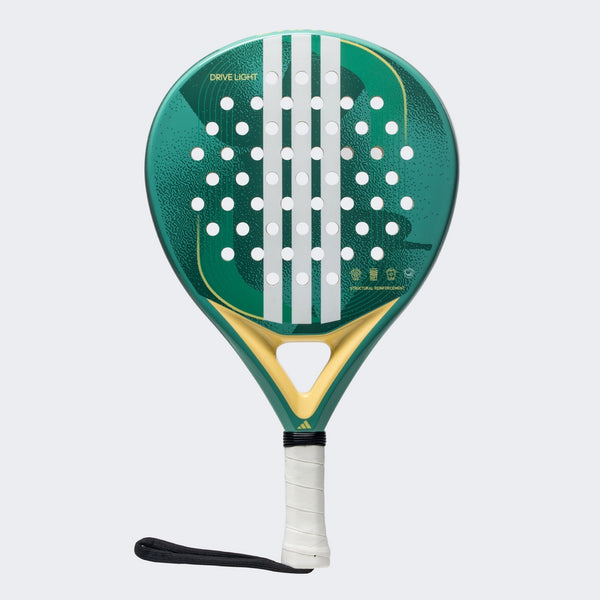
When navigating through your padel racket selection, consider factors such as the racket's shape, weight, and balance. These elements significantly impact how the racket performs on the court. A wider head shape increases the sweet spot, while a lighter racket is easier to maneuver, allowing for quicker reactions. This padel racket guide aims to equip you with the knowledge to make an informed decision based on your playing style and skill level.
Factors to Consider When Choosing a Padel Racket
When learning how to choose a padel racket, several key factors come into play that can significantly affect your performance on the court. First, consider the weight of the racket. Lighter rackets (around 320-360 grams) offer better maneuverability, allowing for quick reactions at the net, while heavier rackets (360-390 grams) provide more power and stability, making them ideal for players who rely on strong shots.
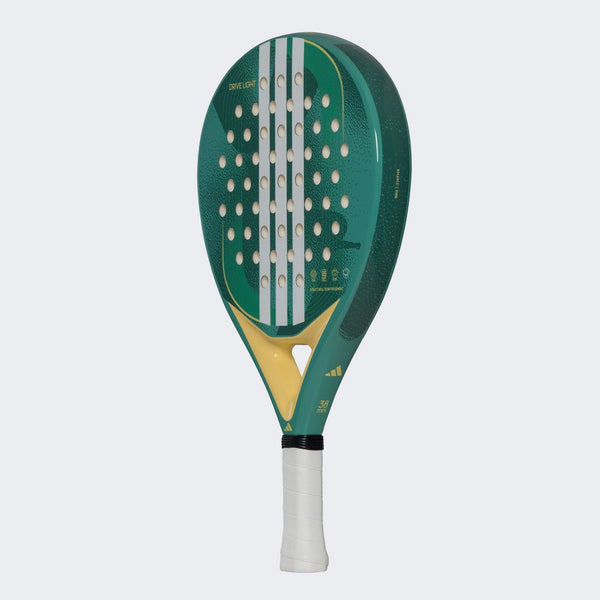
Next, the shape of the racket plays a crucial role in your padel racket selection. Rackets generally come in three shapes: round, tear-shaped, and diamond. Round rackets are more forgiving and provide better control, making them suitable for beginners. Tear-shaped rackets offer a balanced mix of power and control, while diamond-shaped rackets are designed for advanced players seeking maximum power with less emphasis on control.
Balance is another important consideration. Rackets can be head-heavy, evenly balanced, or handle-heavy. A head-heavy racket enhances power for aggressive players who like to hit strong shots, while a handle-heavy racket provides better control and maneuverability, which is beneficial for defensive players.
Finally, think about your playing style. If you prefer a more aggressive game, look for a racket that emphasizes power. Conversely, if you focus on precision and control, choose a racket that supports those aspects. Understanding these factors will guide you effectively through the padel racket guide, ensuring that you make an informed choice that complements your unique playing style.
Different Types of Padel Rackets
When considering how to choose a padel racket, it's important to understand the different types available on the market. Each type has its own features, advantages, and disadvantages, which can significantly impact your game.
The first type is the power racket, designed for players who love to hit hard. These rackets are generally heavier and have a high balance point, providing extra momentum on shots. However, they can be harder to control, making them less suitable for beginners who may struggle with precision.
Next, we have control rackets, which are lighter and have a lower balance point. These rackets offer enhanced maneuverability, allowing for better placement and control over shots. While they may not deliver as much power, they are ideal for players focusing on technique and strategy.
Finally, there are all-round rackets, which strike a balance between power and control. They cater to a wide range of playing styles, making them a popular choice for intermediate players. The versatility of these rackets allows players to adapt their game as needed.
In this padel racket guide, consider your playing style and skill level when making your padel racket selection. By understanding the pros and cons of each type, you'll be better equipped to find the perfect racket that enhances your performance on the court.
Level of Play and Choosing the Right Racket
When it comes to choosing a padel racket, understanding your level of play is crucial. Beginners should look for lightweight rackets with a larger head size. These features offer a bigger sweet spot, making it easier to connect with the ball. A softer foam core can also help absorb impact, providing better control and comfort during play. This combination allows newcomers to focus on developing their skills without being hindered by an overly advanced racket.
Intermediate players, on the other hand, should consider a balance between power and control. A mid-weight racket with a slightly smaller head size can enhance precision while still offering enough power for effective shots. Look for rackets that have a stiffer frame, as these can provide better feedback and responsiveness, allowing players to refine their technique.
Advanced players should prioritize rackets that match their playing style. Whether you prefer a power-oriented racket or one that offers maximum control, the right choice will depend on your individual strengths and preferences. Heavier rackets with a smaller head size often suit advanced players, as they provide greater stability and allow for more aggressive shots.
By following this padel racket guide based on skill level, you can make informed decisions in your padel racket selection and ultimately enhance your game.
Maintaining Your Padel Racket
To ensure your padel racket lasts and performs at its best, proper maintenance is essential. First, always store your racket in a protective cover when not in use. This prevents damage from dust, moisture, and impacts. Extreme temperatures can warp the frame or damage the strings, so keep it in a cool, dry place.
Regularly inspect your racket for signs of wear. Check the strings for fraying or breakage, as worn strings can affect your game. If you notice any damage, consider re-stringing your racket. This is crucial for maintaining optimal tension and performance, which is a vital part of how to choose a padel racket that suits your playing style.
Cleaning your racket is another important step. Use a damp cloth to wipe down the frame and strings after each session. This helps remove dirt and sweat, which can corrode the materials over time. For deeper cleaning, avoid harsh chemicals; instead, use mild soap and water.
Lastly, be mindful of how you transport your racket. Avoid tossing it around and always use a padded bag. By following these simple maintenance tips, you can extend the life of your equipment and enhance your performance on the court, making your padel racket selection more effective in the long run. This padel racket guide will help ensure you enjoy the game for years to come.
Frequently Asked Questions About Padel Rackets
When considering how to choose a padel racket, potential buyers often have several key questions. One common inquiry is about the different shapes of rackets available. Typically, padel rackets come in three shapes: round, teardrop, and diamond. Round rackets offer greater control and are ideal for beginners, while diamond-shaped rackets provide more power, making them suitable for advanced players. Teardrop rackets offer a balance between the two, making them a versatile choice.
Another frequent question revolves around the weight of the racket. Lighter rackets are easier to handle and can reduce fatigue, especially for newcomers, while heavier rackets can provide more stability and power. It’s essential to try out different weights to see which feels most comfortable during play.
Grip size is also a critical factor in padel racket selection. A proper grip ensures better control and reduces the risk of injury. Players should measure their grip size by holding a racket and checking if there’s space for a finger between their fingers and palm.
Lastly, many buyers wonder about the materials used in rackets. High-quality rackets typically feature carbon fiber or fiberglass, which can greatly influence durability and performance. Understanding these elements can guide you through the padel racket guide, helping you make an informed decision for your game.