Comprehensive Guide to Padel Rules and Regulations
•Posted on March 11 2026


Introduction to Padel
Padel is a dynamic racquet sport that combines elements of tennis and squash, played in an enclosed court with walls. Originating in Mexico in the 1960s, it quickly gained popularity in Spain and has since spread across Europe and beyond. The game is typically played in doubles, making it a social and enjoyable experience for players of all skill levels.
Understanding padel rules and regulations is crucial for anyone looking to play the game effectively. Familiarizing yourself with the official padel rules not only enhances your gameplay but also ensures fair competition. The padel game rules cover everything from serving and scoring to match structure, providing a clear framework for players to follow.
Padel scoring is similar to tennis, with games, sets, and matches structured in a way that promotes excitement and strategy. Knowing how these elements work can significantly improve your playing experience and help you enjoy the sport to its fullest. Whether you're a beginner or a seasoned player, grasping the fundamentals of padel rules and regulations will elevate your understanding and enjoyment of this thrilling sport.
Official Padel Rules
Official padel rules are established by recognized authorities such as the International Padel Federation (FIP). Understanding these padel rules and regulations is essential for both players and fans to appreciate the game fully.
In terms of scoring, padel follows a similar structure to tennis. Players compete in games and sets, with points counted as 15, 30, 40, and game. A match is typically played in the best of three sets, and if a set reaches 6-6, a tie-breaker is played to determine the winner.
Serving is a critical aspect of the game. The server must strike the ball below waist height and serve diagonally into the opponent's service box. If the ball hits the net but still lands in the correct area, it's considered a let serve and is replayed. Players must also ensure that they do not step on or over the service line before making contact with the ball.
General play rules dictate that players can use the walls to bounce the ball back into play, which adds an exciting dynamic to the game. Players must allow the ball to bounce once before returning it, but they can hit it directly if it comes off a wall. Familiarizing yourself with these padel game rules will greatly enhance your enjoyment and understanding of the match structure.
Padel Scoring Explained
In padel, the scoring system is quite similar to tennis, making it easier for tennis players to adapt. Matches are played in sets, and the first team to win six games wins a set, provided they have at least a two-game lead. If the score reaches 5-5, the next team to win a game goes ahead to 6-5, and the trailing team must win the next game to stay in the set. If the score reaches 6-6, a tiebreak is played, where the first team to reach seven points with at least a two-point lead wins the set.
Games are scored as follows: 0 (love), 15, 30, 40, and then a game won. If both teams reach 40, it’s called "deuce." From deuce, a team must win two consecutive points to win the game, first gaining an "advantage" and then the game itself. This system adds an exciting tension, especially in close matches.
Understanding these padel scoring rules and regulations is crucial for players and fans alike. It helps clarify the padel match structure and gives insight into how momentum can shift during a game. By grasping the nuances of padel scoring, you can better appreciate the strategy and intensity that each match brings.
Common Regulations in Padel Matches
In padel, understanding the official padel rules and regulations is crucial for both players and spectators. The game is played on a court that measures 20 meters long and 10 meters wide, enclosed by glass walls, which are considered in play. This unique structure adds a strategic element to the game, allowing players to use the walls to their advantage.
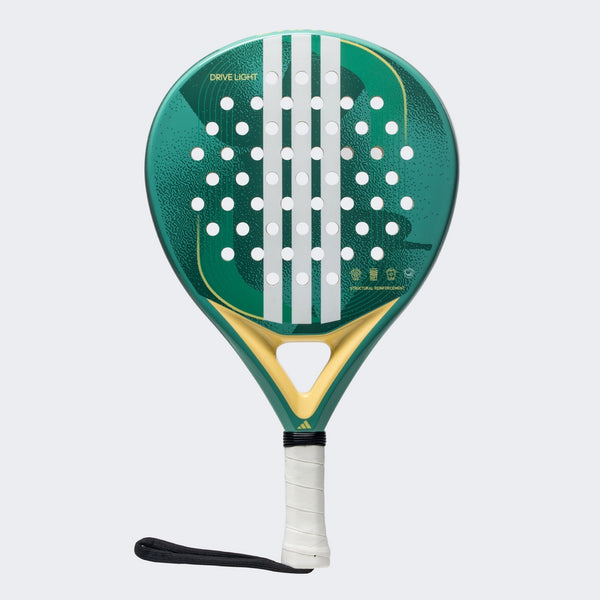
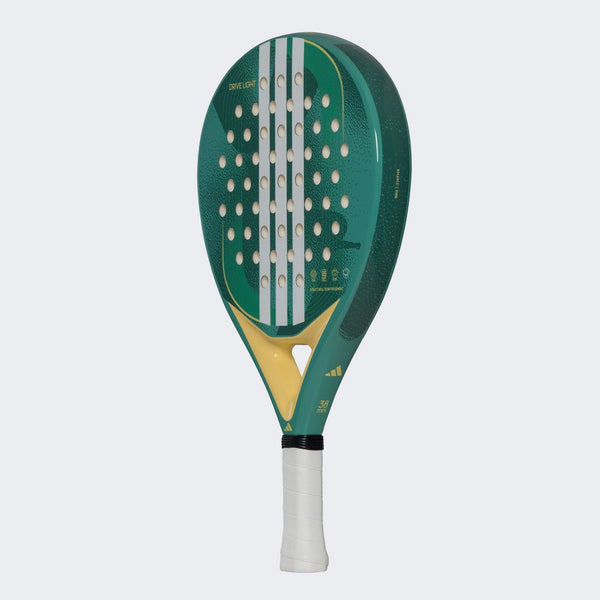
When it comes to equipment, players must use a padel racket, which is solid and perforated. The ball used in padel is similar to a tennis ball but slightly less pressurized. Adhering to these specifications ensures a level playing field and maintains the integrity of the sport.
Player conduct during matches is also governed by strict padel game rules. Players are expected to show good sportsmanship, respect referees, and adhere to the decorum of the game. Disruptive behavior can lead to penalties or disqualification, emphasizing the importance of maintaining a positive environment.
Scoring in padel follows the same structure as tennis, with matches typically played in a best-of-three sets format. Each set is won by the first team to reach six games, with a two-game margin required to secure the set. Understanding padel scoring and match structure helps players strategize effectively during competitions.
FAQs About Padel Rules
One common question about padel rules and regulations is whether the game is similar to tennis. While both sports share some similarities, such as the use of a net and scoring systems, the official padel rules introduce unique elements like the walls, which players can use strategically to return shots.
Many players are also curious about padel scoring. The scoring system mirrors that of tennis, with points counted as 15, 30, 40, and game. However, understanding how to keep score during a match can be tricky for beginners. Players should remember that matches are typically played as best of three sets, with each set requiring at least six games won to claim victory.
Another frequent misconception involves the padel match structure. Unlike traditional tennis, which can have singles or doubles matches, padel is primarily played in doubles format. This means that teamwork and communication between partners are crucial for success.
Lastly, some new players are unsure about the rules governing the serve. According to the padel game rules, the serve must be executed underhand, and the ball must bounce once before being hit. This distinctive serving style helps set padel apart from other racket sports and contributes to its growing popularity. Understanding these key aspects can enhance your enjoyment and performance on the court.
Conclusion
In conclusion, understanding the padel rules and regulations is essential for anyone looking to enjoy the sport to its fullest. We’ve covered the official padel rules, including the structure of a padel match and the intricacies of padel scoring. Familiarizing yourself with these game rules ensures that you can play confidently and fairly, whether you’re a beginner or an experienced player.
Remember that padel is not just about following the rules; it’s also about enjoying the game and engaging with others. We encourage you to share your experiences with padel rules and regulations. Have you encountered any unique situations during your matches? What strategies do you use to adapt to the rules? Your insights and questions can help foster a community of learning and improvement among players.
Feel free to reach out in the comments below with your thoughts or queries about padel game rules. Let’s continue the conversation and enhance our understanding of this exciting sport together.